
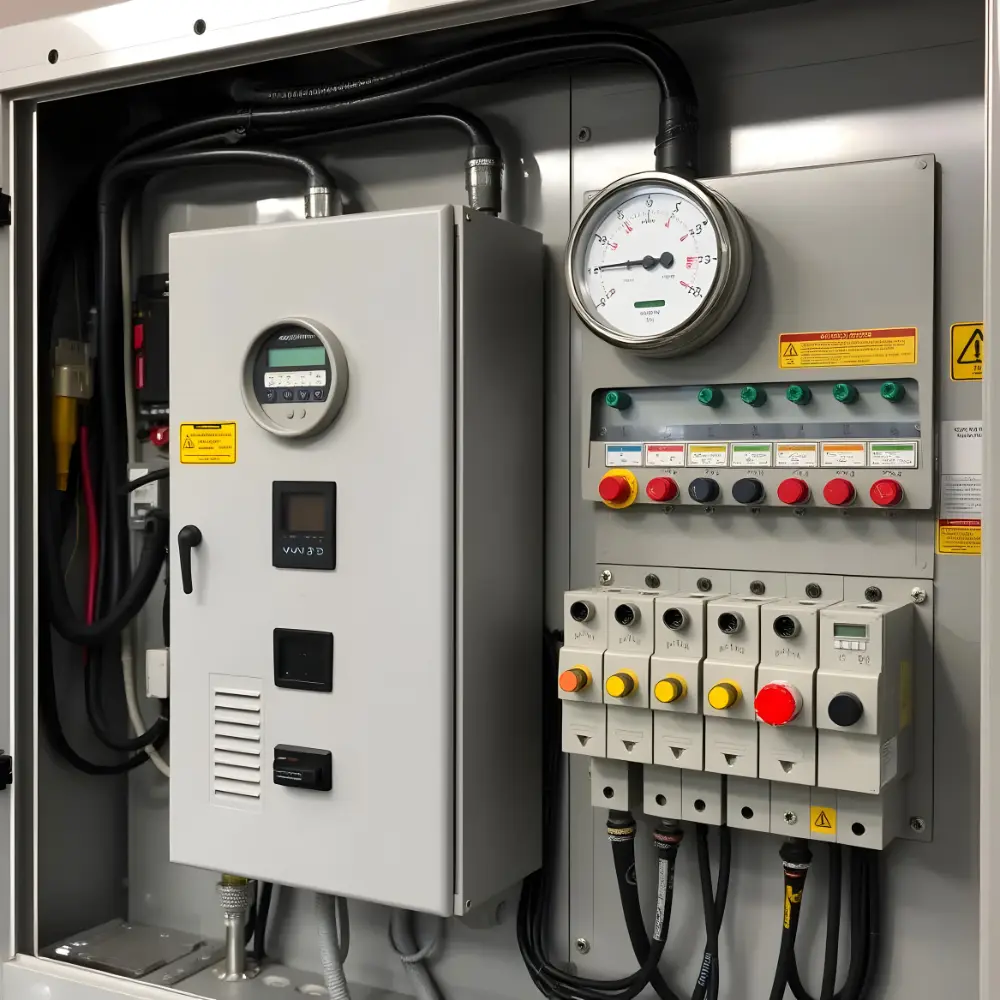
Selecting the correct industrial frequency converter protects heavy machinery from electrical stress, cuts energy consumption, and maintains precise motor speed control across manufacturing lines. Matching the output voltage, continuous load current, and control interface to your application prevents unexpected production downtime and costly thermal damage. Industrial facilities rely on these units to convert grid power to custom frequencies, allowing heavy machinery designed for international voltage standards to run seamlessly. Investing time in evaluating technical parameters ensures long-term operational efficiency and system reliability.
Power Rating and Continuous Load Capacity
Matching the converter power rating to your driven equipment requirement prevents motor stalling and premature component failure. Every Visicomm Industries rotary frequency converter carries specific kVA ratings, continuous amperage limits, and overload thresholds. Calculate peak starting currents alongside running loads, as inductive equipment like pumps, compressors, and heavy conveyors draw massive inrush current upon startup.
Standard industrial motors require converters that withstand temporary overload conditions without tripping internal breakers. When a converter with insufficient capacity is chosen, protective shutoffs are forced during torque spikes, disrupting ongoing production cycles. Verify whether your machinery demands constant torque performance across variable speeds or dynamic variable torque scaling tailored for fluid handling systems.
Input Voltage, Frequency, and Output Signal Precision
Industrial electrical grids vary by region, operating at 50Hz, 60Hz, or specialized frequencies for marine and aviation applications. Your selected converter must accept incoming line voltages smoothly while producing clean, low-distortion output wave forms tailored to downstream equipment. Check total harmonic distortion specifications, as clean power prevents excessive heating within motor windings.
Pulse-width modulation technology inside modern converters delivers stable output frequencies across wide ranges. High precision frequency control enables fine adjustments in conveyor speeds, spindle rotation, and automated processing lines. Ensuring tight voltage regulation protects sensitive programmable logic controllers and secondary instrumentation connected to the same power bus.
Control Integration and Communication Protocols
Modern industrial automation depends on seamless communication between frequency converters and central control networks. The converter must integrate with existing programmable logic controllers using standard fieldbus networks like Modbus, Ethernet/IP, or Profinet. Digital communication channels allow plant engineers to monitor real-time operating metrics, current draw, and temperature levels remotely.
Advanced converters feature programmable digital inputs and analog outputs for direct sensor integration. Built-in diagnostic capabilities speed up troubleshooting when faults occur, logging specific error codes rather than causing generic shutdowns. Real-time telemetry monitoring enables predictive maintenance strategies, alerting maintenance crews to bearing wear or electrical imbalances before equipment failure occurs.
Energy Efficiency and Total Cost of Ownership
Initial purchase price represents only a small fraction of a frequency converter’s lifetime operating expenses. High-efficiency converter designs utilize low-loss insulated gate bipolar transistors that minimize thermal energy waste during frequency conversion. Reduced heat generation cuts cooling expenses inside electrical control rooms while lowering overall facility power consumption.
Evaluating total cost of ownership involves analyzing harmonic mitigation options like passive filters or active front-end technology. Excessive electrical harmonics feed reactive power back into the facility grid, causing utility penalty fees and transformer overheating. Investing in a converter with integrated harmonic filtering lowers utility costs, protects power quality, and extends the operational lifespan of all connected factory hardware.
Conclusion
Selecting the right industrial frequency converter requires evaluating electrical load demands, environmental protection levels, and network integration options. Choosing a unit engineered for your specific torque requirements prevents costly downtime while extending equipment lifespan. Superior thermal management and clean harmonic performance reduce operational expenses and safeguard connected factory machinery. Partnering with experienced technical specialists ensures your power conversion infrastructure supports continuous, efficient production for years to come.
